
The Forgotten History of Peppermint Liqueur — and Why We're Bringing It Home
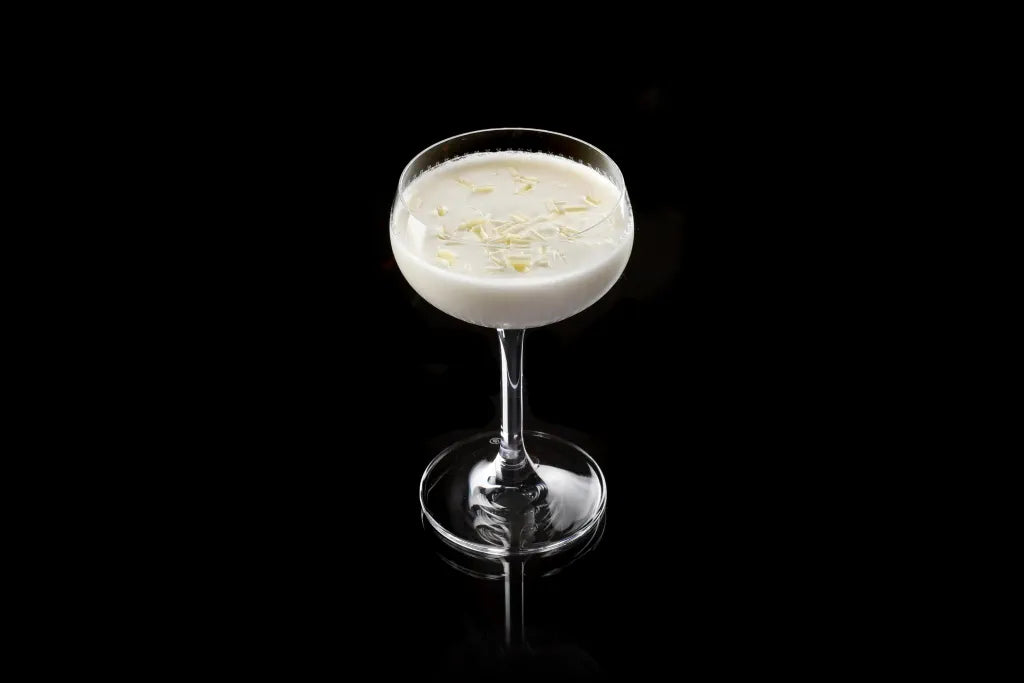
Ask someone to name a peppermint liqueur and you'll usually get one answer: the syrupy green stuff poured into an after-dinner shot, best known for a starring role in the 1980s Grasshopper. It's a category that hasn't moved on in decades — which is strange, because its history is a lot older, a lot more interesting, and a lot more British than most people realise.
Where it actually started
The first written recipe for a peppermint liqueur dates back to 1775, when French pharmacist Jacques-François Demachy published his own version and, with some confidence, declared himself its inventor. Two decades later, in 1796, brothers Jean and Pierre Get founded a distillery in Revel, France, producing what would eventually be trademarked as Pippermint Get. It's a detail worth pausing on: the Get brothers made their liqueur in France, but the peppermint oil itself was imported from England.
By 1885, French pharmacist Émile Giffard had refined the category further, developing a clear, more delicate crème de menthe as a digestif in Angers. It was tested on hotel guests before going into production, and that clear style is still the industry benchmark today. Meanwhile, a parallel tradition was developing in Germany, where centuries of fruit-brandy schnapps-making evolved to include peppermint infusions — a strand of the story so old and so contested that nobody fully agrees on who did it first.
The British thread nobody talks about
Here's the part usually left out: while the French and Germans get the credit for bottling peppermint liqueur, the plant itself has one of its most important origin stories in England. Black Mitcham peppermint was first cultivated in Surrey in the mid-1700s, and Mitcham quickly became the world's centre for peppermint oil production. The local growing conditions produced a plant with an unusually high menthol content and none of the grassy notes found in wild mint — oil so prized that European liqueur and confectionery makers, including the very same Get brothers, sourced it directly from Surrey fields.
In other words, Britain didn't just borrow the category — it quietly supplied its finest ingredient. And then, over the course of the 20th century, that heritage all but disappeared. Mitcham's peppermint fields gave way to development, and the plant nearly vanished before a small handful of growers began reviving it in the 1990s.
Why POLAR exists
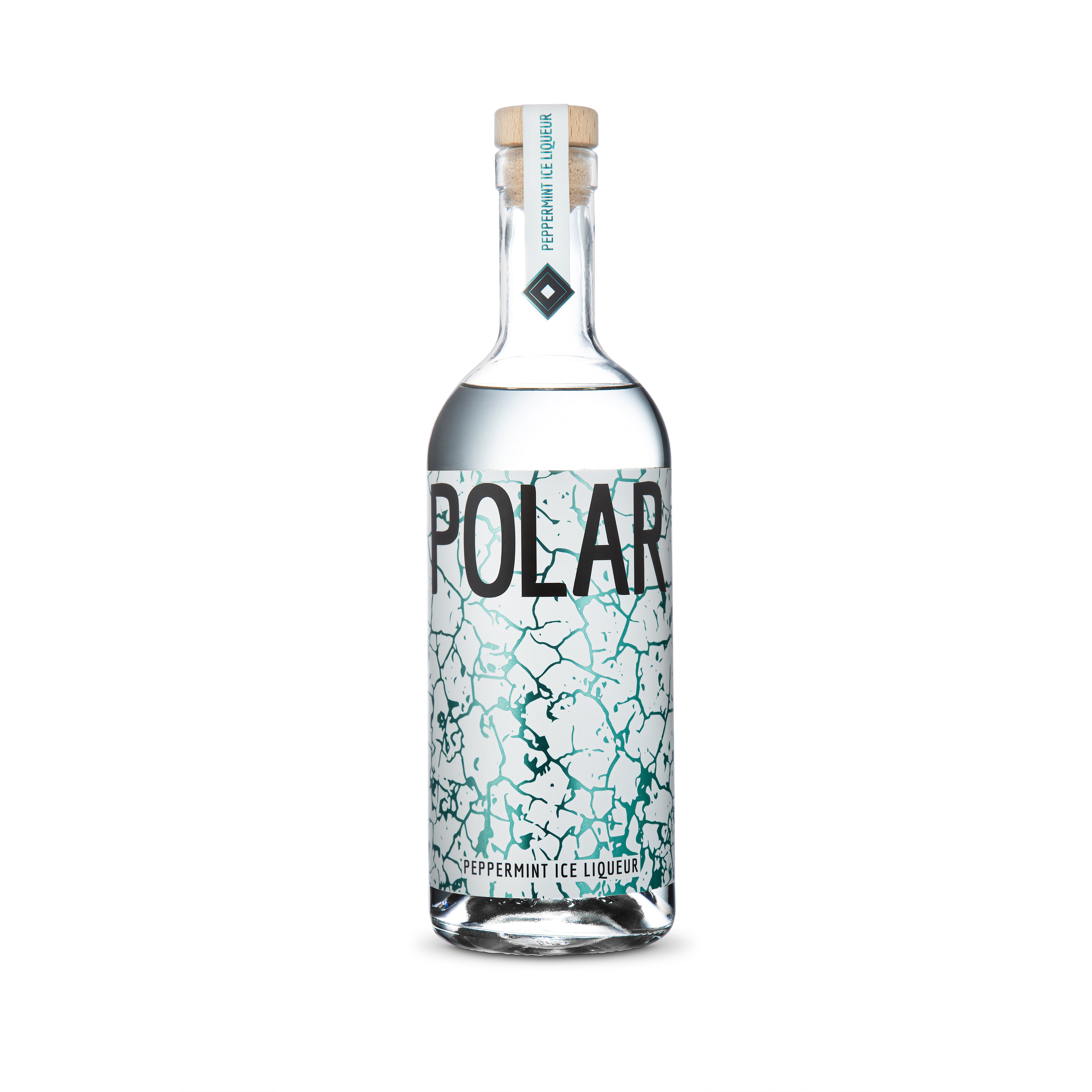
We think that's a story worth reviving alongside the mint. Peppermint liqueur has spent the best part of a century as a novelty — sweet, artificially green, and rarely taken seriously behind a bar. POLAR is our attempt to do for peppermint what modern gin did for juniper: take a category everyone assumed they already understood, and make it properly, in Britain, for the way people actually drink now.
That means a liqueur that's clear rather than dyed, crisp rather than cloying, and built to work in a spritz, a sour or a Martini as easily as it does on its own over ice. It's a nod to a very English ingredient with a genuinely global history — just made for today's glass, not your grandparents' liqueur cabinet.
So next time you reach for POLAR, know that you're not drinking a novelty. You're drinking a category that's older than you'd think, more British than you'd expect, and — we'd argue — long overdue a comeback.